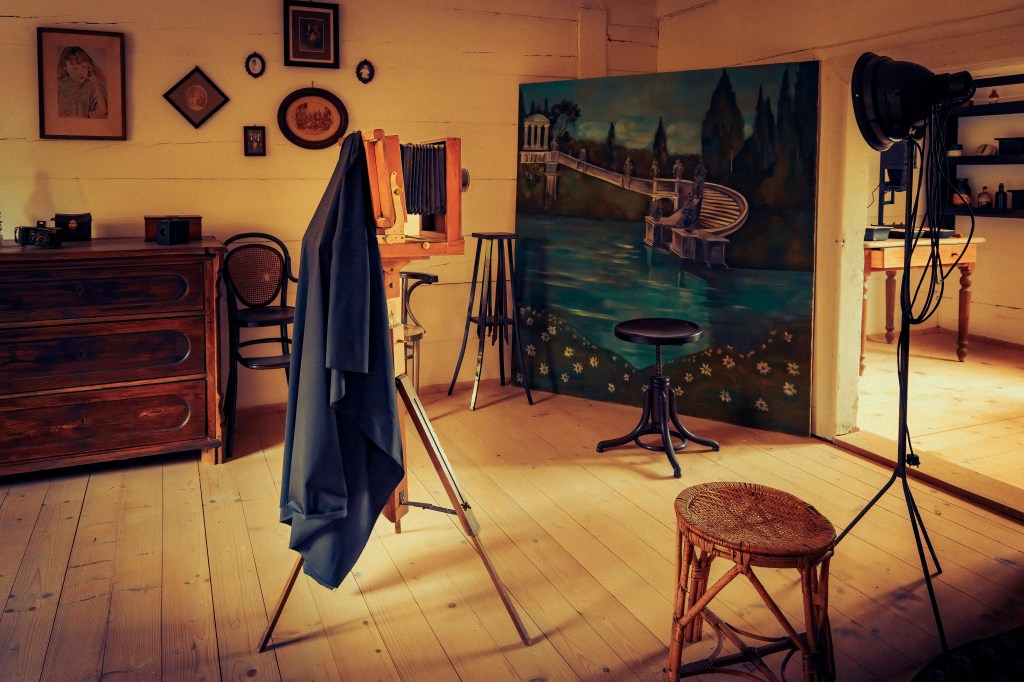
Every brushstroke on a canvas mirrors the decisions a leader must make—the balance between presence and restraint, the courage to correct mistakes, and the wisdom to step back and see the whole picture. True leadership, like art, is not rushed; it unfolds thoughtfully, layer by layer, shaped by intention and quiet influence.
By Tari R. Jackson
Leadership, at its finest, is an art. And in many ways, painting—whether it is a sweeping landscape, a subtle portrait, or an abstract composition—offers profound lessons for those who guide others. Each brushstroke, each choice of color, each space left untouched mirrors the decisions, intentions, and presence required of a thoughtful leader.
Vision Precedes Action
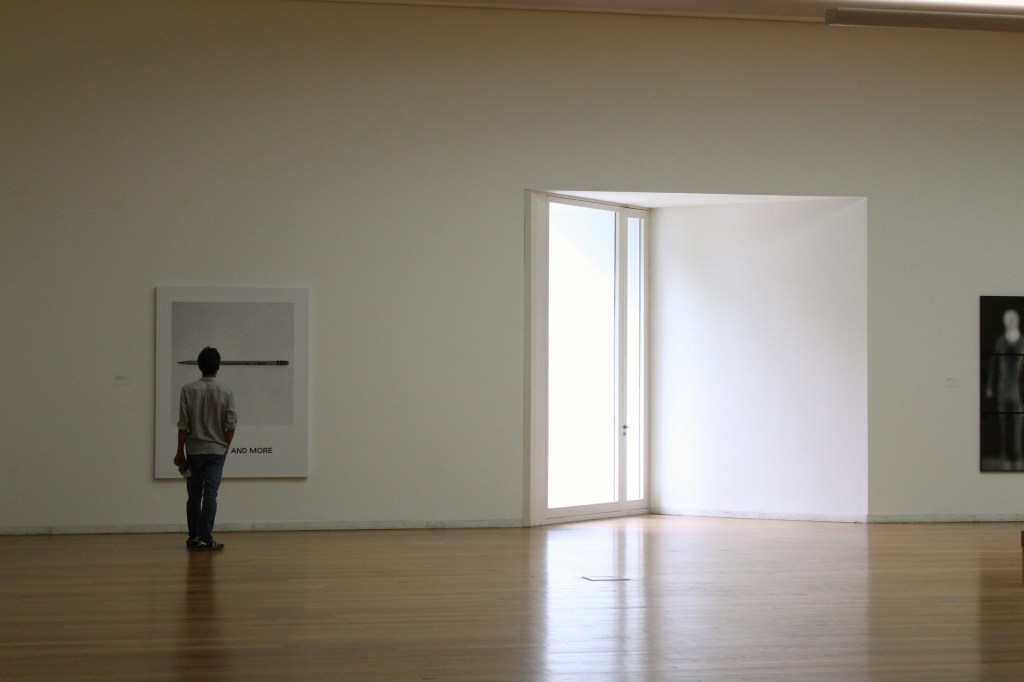
A painter begins with a vision, even if it exists only in the mind’s eye. The canvas is blank, waiting, silent, receptive. The artist considers composition, balance, and direction before the first stroke appears.
Leadership begins in the same way. Before action, there must be clarity of vision. A leader must know not only where they hope to guide others, but why the journey matters. Without vision, action is scattered, and the people we lead become lost in the noise.
Lesson: Begin with intention. Hold the vision clearly in your mind before shaping the world around you.
Patience Is as Important as Skill
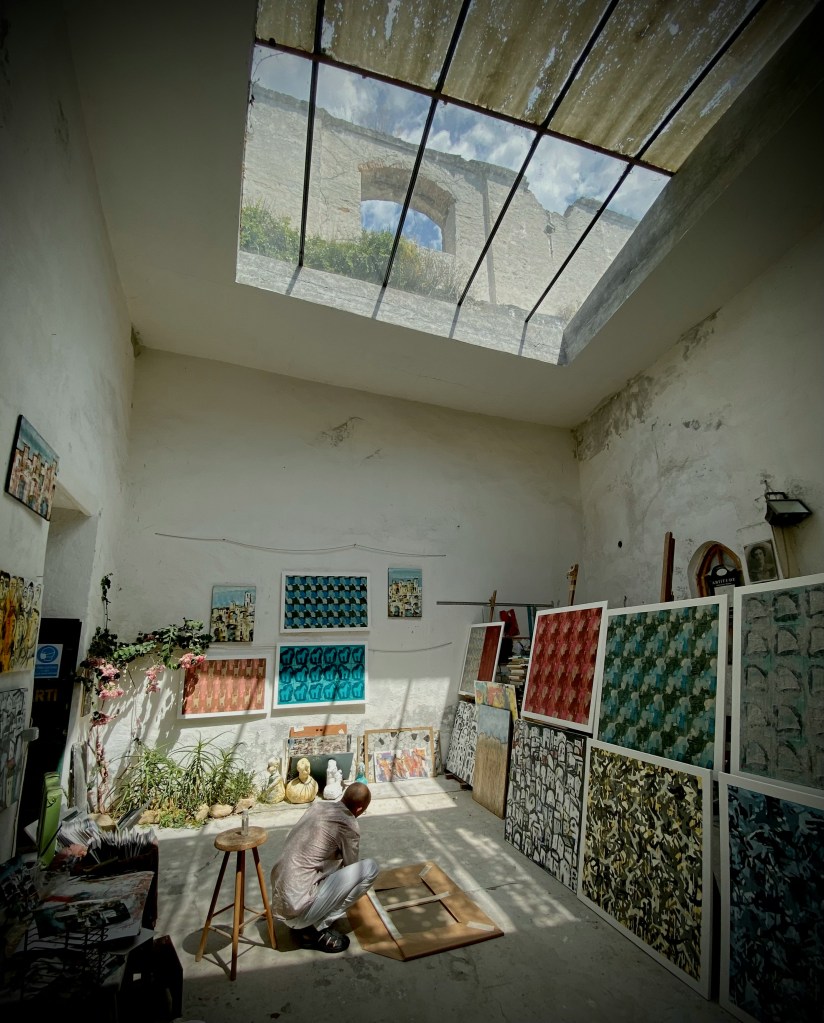
Painting cannot be rushed. Layers must dry, details require time, and mistakes often invite reflection and adaptation. Impulsivity rarely produces harmony.
Leadership, too, demands patience. Decisions made hastily can fracture relationships, diminish trust, or obscure purpose. The leader who acts with mindfulness, who allows space for thought, creates conditions for enduring impact.
Lesson: Cultivate patience; skill is magnified by thoughtful timing.
Balance Between Presence and Restraint
A painter knows that sometimes absence is as important as presence. Negative space, the areas left untouched, shapes perception and draws attention to what matters most. Overcrowding a canvas diminishes its impact.
Leadership follows a similar principle. Overbearing control or constant interference stifles initiative, creativity, and trust. Effective leaders know when to act and when to step back, allowing their teams to contribute, innovate, and flourish.
Lesson: Presence guides; restraint empowers.
Mistakes Are Opportunities, Not Failures

Even a master painter sometimes errs—an unexpected drip, a misaligned stroke—but the canvas is never irredeemable. Often, these “mistakes” reveal new possibilities, inspiring creativity and adaptation.
Leadership is no different. Challenges, missteps, and unforeseen outcomes are inevitable. The thoughtful leader views them not as failures, but as opportunities to recalibrate, learn, and grow.
Lesson: Treat challenges as part of the unfolding work, not as signs of inadequacy.
Perspective Shapes the Whole
Painters constantly shift their perspective, stepping back to see the full canvas, approaching closely to tend to detail, rotating the work to gain new angles. Each perspective informs the final composition.
Leaders, likewise, must move between vision and detail. They must observe the system as a whole while attending to the individual, understanding how each decision, interaction, and nuance shapes the broader outcome.
Lesson: Balance the macro and the micro. Every detail contributes to the whole.
Influence Is Subtle, Not Coercive
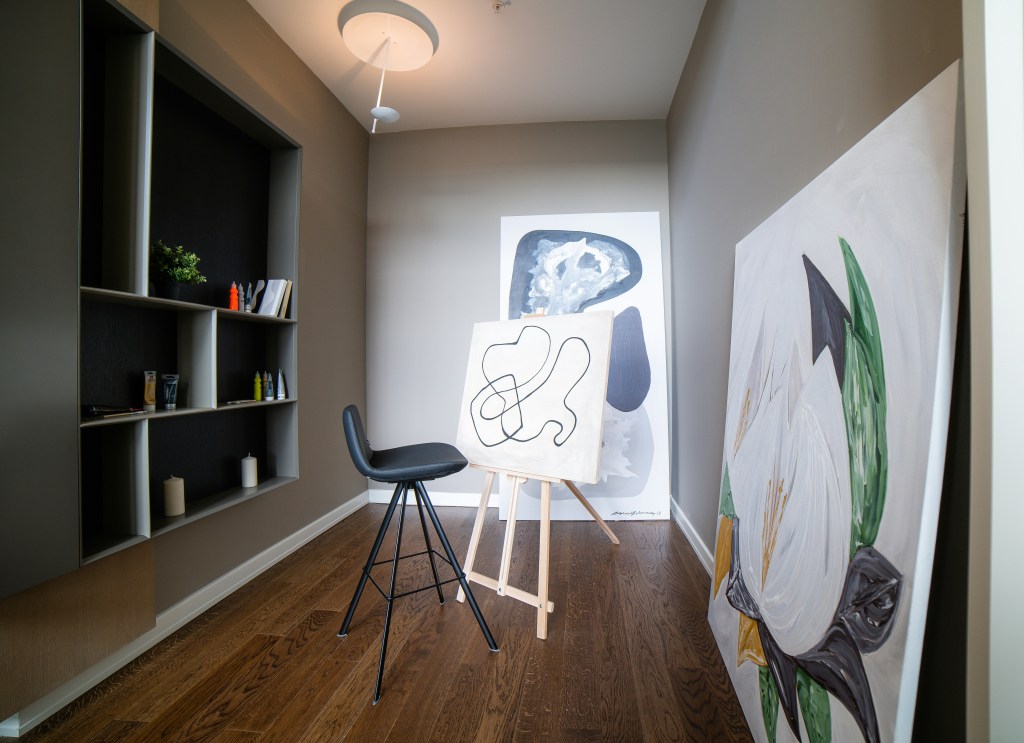
A painting does not force emotion; it evokes it. Its power lies in suggestion, in subtlety, in the harmony of its elements.
True leadership inspires rather than compels. Influence flows through example, clarity, empathy, and integrity. The leader who seeks to coerce may achieve compliance, but never engagement.
Lesson: Guide with subtlety. Lead through presence, purpose, and influence.
The Clear Lessons
Leadership, like painting, is an act of creation. It demands vision, patience, perspective, and subtlety. It requires the courage to make mistakes and the wisdom to know when to step back.
A blank canvas and a team of people alike invite careful attention, care, and intention. The strokes we make, the spaces we leave, and the patterns we create shape the final composition.
To lead well is to approach life as a canvas, thoughtfully, deliberately, and with deep respect for the potential inherent in every stroke.
 Intelligiate
Leave a comment