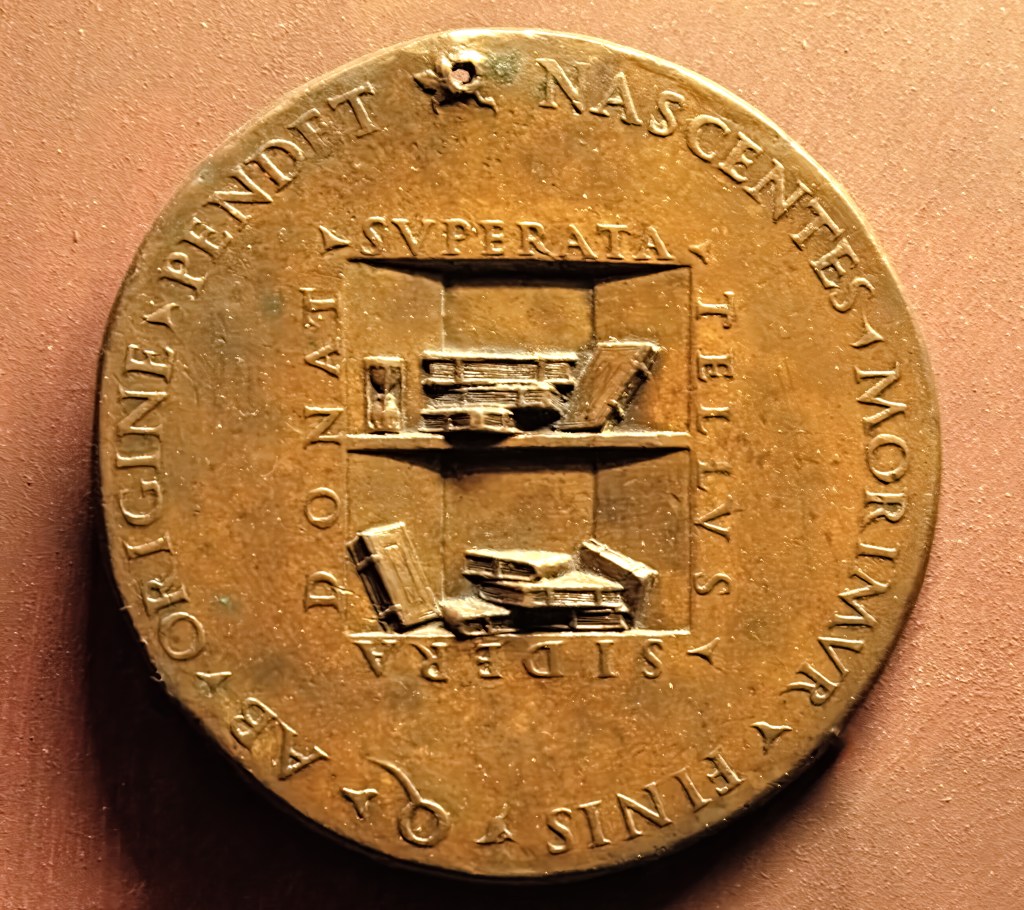
Every so often, I come across a word that feels like a missing piece of the puzzle. One of those words is polymath. It’s a word that carries weight and mystery. A polymath isn’t just someone who is smart. A polymath is someone who ranges widely, connecting music to mathematics, philosophy to politics, art to engineering. Think of Leonardo da Vinci sketching flying machines in his notebooks, or Benjamin Franklin tinkering with electricity by day and penning witty essays by night.
In an age of hyper-specialization, polymathy can feel like a quaint relic. We train to become narrow experts. We burrow deep into our chosen fields. The surgeon, the coder, the lawyer — each digs a single well. And yes, depth matters. But I can’t shake the sense that we’ve lost something precious by abandoning breadth.
Why do polymaths matter? Because they are the bridge-builders. They see patterns across domains, connections others miss. The engineer who understands poetry often invents more gracefully. The scientist who reads philosophy asks better questions. Polymathy isn’t about knowing everything; it’s about cultivating a mind nimble enough to wander, cross-pollinate, and return with insights no specialist could have produced alone.
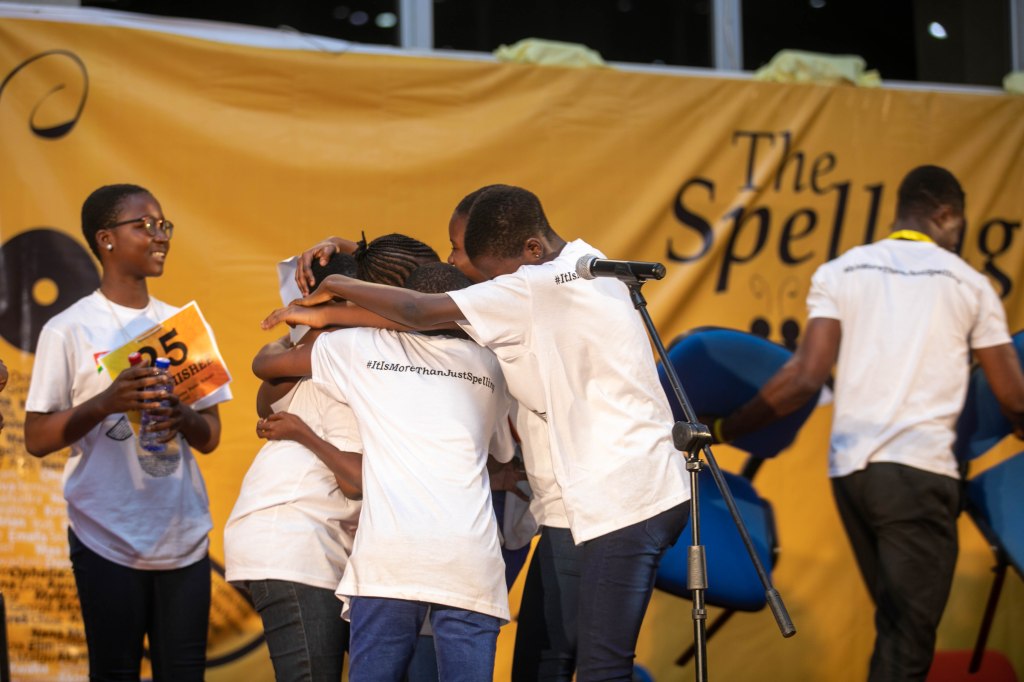
Photo by U.S. Embassy Ghana, Public Domain via Wikimedia Commons
Can this ability be nurtured? I believe it can. Polymathy isn’t a genetic lottery ticket — it’s a way of approaching the world. It starts with radical curiosity: asking “why” until your friends roll their eyes, opening books you have no business opening, daring to be a beginner over and over again. It thrives in cross-connection: looking at how biology inspires architecture, or how music echoes mathematics. And it requires a home base — one or two areas where you go deep, so that you’re not merely a dabbler, but someone with depth to balance your breadth.
Five Habits of Modern Polymaths
- Read outside your lane — biographies, science, art, history, even subjects that intimidate you.
- Keep one deep specialty — let it anchor you while you explore widely.
- Connect the dots — ask how lessons from one field apply in another.
- Pursue side projects — tinker, write, design, or build without worrying about outcomes.
- Stay endlessly curious — treat the world as an open syllabus.
A Few Notable Polymaths (Beside the Many)
- Leonardo da Vinci (1452–1519): Painted the Mona Lisa and The Last Supper, but also sketched flying machines, studied anatomy, and designed engineering marvels.
- Benjamin Franklin (1706–1790): Helped draft the U.S. Constitution, experimented with electricity, invented the lightning rod, and founded the first public library in America.
- Rabindranath Tagore (1861–1941): Nobel Prize–winning poet, philosopher, painter, composer of India’s national anthem, and educational reformer.
- Maya Angelou (1928–2014): Poet, dancer, singer, memoirist, actress, director, and activist whose words reshaped American literature and identity.
- Praveen Kumar Gorakavi (1989–present): Scientist, chemical engineer, inventor, consultant and former child prodigy. Co-founder of the Phi Factory – a socially conscious R&I initiative that develops one social innovation for every three commercial technologies it develops.
- Elon Musk (1971–present): Entrepreneur and engineer behind ventures in electric cars (Tesla), space exploration (SpaceX), and artificial intelligence.
Pretty heavy names right? Well, they serve as anchor for our inspiration to be more. I often tell myself: be greedy with knowledge. Read widely, take conversations seriously, chase hobbies that have nothing to do with your job. Paint even if you’re a banker. Learn code even if you’re a poet. The goal isn’t to master everything. The goal is to develop the habit of being at home in many rooms of the mansion of knowledge.

We live in a fragmented world. Specialists will always have their place. But it’s the polymaths — the connectors, the wanderers, the synthesizers — who will weave the fragments into a whole. And perhaps, if we allow ourselves to stretch beyond our silos, a little da Vinci might live in each of us.
 Intelligiate
Leave a comment