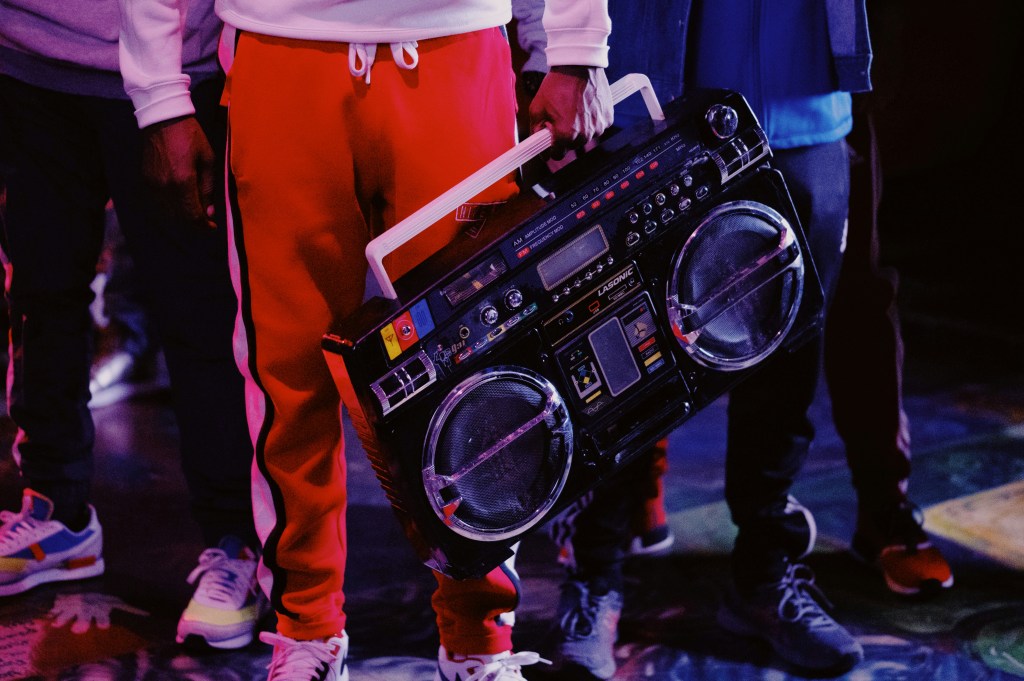
Hip-hop has often been reduced to stereotypes: party music, braggadocio, profanities, or raw street tales. This is no thanks to mainstream execs and their preference for hollowed-out artists. But to dismiss rap music as unworthy of serious thought is to miss one of the most vibrant intellectual traditions of our time. The art of intellectual rap – crafted by artists like Rakim, KRS-One, Black Thought, Immortal Technique and other lyrical titans—is not only worthy of listening; it is worthy of debating in lecture halls, studying in classrooms, and engaging with as deeply as one would with poetry, philosophy, political theory or literature.
Let me persuade you. If you think rap is all rhythm and rhyme without reason, I ask you to consider Tupac Shakur. His work is now studied at institutions like Harvard and the University of California, Berkeley. Professors have recognized in his verses the same concerns as James Baldwin or Maya Angelou: justice, identity, love, pain, and the burden of history. That alone should make sceptics pause—when universities dedicate courses to an artist’s life and work, the conversation transcends entertainment.

Or consider Lupe Fiasco. In his hands, the English language becomes a labyrinth of double meanings and literary references. His album Tetsuo & Youth is as dense as any modernist novel, layered with metaphors that critique consumerism, racism, and spirituality. It rewards not passive listening, but active interpretation—the very hallmark of intellectual art. Try ‘Put you on game‘ to hear Lupe’s profound description of Satan.
And then there’s Kendrick Lamar, a Pulitzer Prize winner. Yes, rap has a Pulitzer. His DAMN. and To Pimp a Butterfly interrogate America’s racial wounds with a depth that rivals the best sociological texts. He makes music you can dance to, yes, but also music that forces reflection on ancestry, politics, faith, and personal responsibility. When a rapper wins the same prize as Toni Morrison, perhaps the conversation about worthiness is already settled.
But even beyond the giants, the form itself is intellectually fertile. MC Lyte and Rapsody carry on the tradition of women commanding space with both razor-sharp technical skill and social insight. They add to a growing canon that demands we rethink what literature sounds like.
Intellectual rap examplified
The names that follow are just a handful of an enire realm of rap’s intellectual elite. In time, I will present a series guiding the novice into this profound world of MCing:
Rakim – The God MC
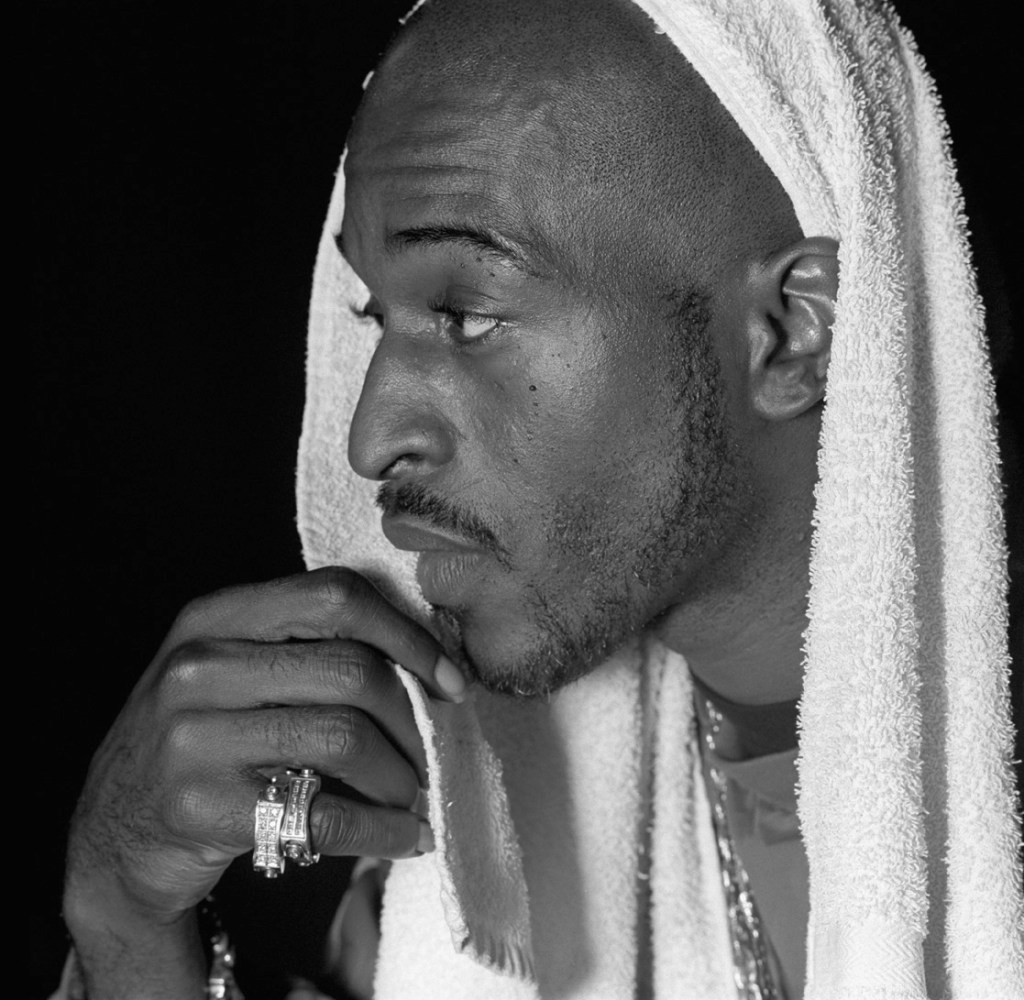
Rakim is revered as the architect of modern lyricism in hip-hop, earning the title “The God MC” for his revolutionary influence. His rhymes introduced unprecedented complexity—internal rhymes, multisyllabic patterns, and a smooth, almost jazz-like cadence—that elevated rap into a literary form. With Paid in Full and subsequent works, he bridged the gap between street storytelling and intellectual depth, weaving philosophy, spirituality, and social observation into his verses.
His calm, authoritative delivery set a new template for MCs, and his fingerprints can be heard in every generation of lyricists that followed, from Nas to Kendrick Lamar. Sophisticated yet gritty, Rakim embodies rap as an art of precision, discipline, and higher thought. His longetivity in the artform is truly remarkable.
KRS-One: The Teacha

KRS-One stands as one of hip-hop’s foremost philosopher-kings, a figure who reshaped rap into a vehicle for both street realism and intellectual discourse. With his ability to merge cadence, vocabulary, and vision he gained a class of his own: an MC who transformed into a teacher, activist, philosopher and cultural guardian. Emerging with Criminal Minded in 1987, he proved he could spar with the grittiest street narratives. Albums like By All Means Necessary and Edutainment became syllabi in rhyme, exploring politics, social justice, spirituality, and Black empowerment. His later works and lectures articulate hip-hop not just as music, but as a way of life, a philosophy, even a spiritual path—a concept he codified in The Gospel of Hip Hop. KRS-ONE insists that hip-hop be understood not merely as entertainment but as a global consciousness and moral compass. His decades-long career continues to make generational impact.
Black Thought
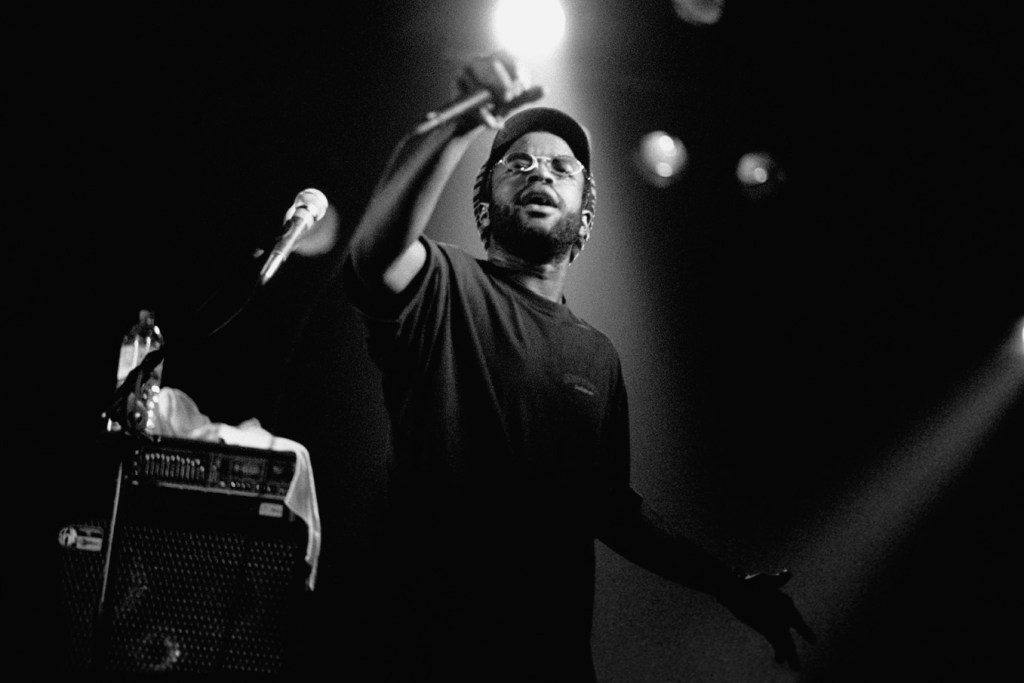
Black Thought is the epitome of sophistication in hip-hop, a lyricist whose pen bridges the streets of Philadelphia with the intellectual traditions of history and social critique. His verses are thick with imagery, layered metaphors, and references that reward close listening, often weaving together personal struggle, African-American cultural memory, and universal themes of resilience. Unlike many MCs who rely on hooks or flash, Black Thought’s artistry lies in his sheer command of language and delivery—his legendary Hot 97 freestyle being a masterclass in endurance, eloquence, and insight. Black Thought fuses political insight with personal reflection, embodying the ideal of the thinking MC. He represents the scholar-poet archetype in rap: an artist whose sophistication comes from turning pain into philosophy and rhythm into revelation.
Canibus
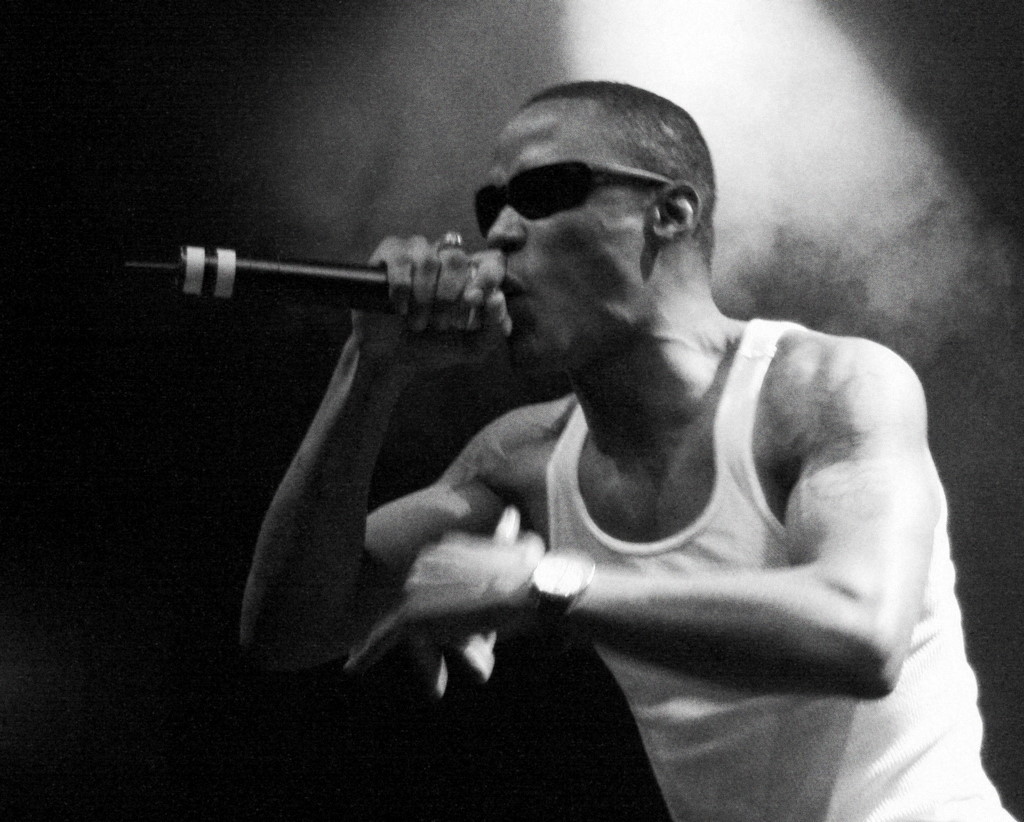
What defines Canibus is his reputation as a lyricist’s lyricist—he often crafts scientific references, military themes, philosophy, and esoteric knowledge into his verses. A master of dense lyricism, Canibus is unmatched for his intricate rhyme schemes, encyclopedic knowledge, and fearless approach to language. His verses often create a cerebral experience that challenges listeners to think deeply. Works like Rip the Jacker and Melatonin Magik showcase his ability to blend esoteric ideas with raw battle energy. Many MCs cite him as one of the most technically gifted rappers of all time. In essence, Canibus is respected as a highly intellectual, uncompromising artist whose work appeals most to listeners who value lyricism, abstract thought, and verbal dexterity over mainstream appeal.
Killah Priest

Killah Priest is the Wu-Tang affiliate who turned rap into a temple of higher thought. From his iconic verse on GZA’s Liquid Swords—the immortal “B.I.B.L.E.” track—to his own landmark debut Heavy Mental, Priest carved a space where hip-hop intersects with scripture, mysticism, and cosmic vision. His rhymes bring together biblical allegory, African history, science fiction, and metaphysical speculation, creating tapestries of thought that demand decoding. Unlike most MCs, he’s less concerned with punchlines or braggadocio and more with presenting the voice of a scribe of lost knowledge. Over decades, from The Offering to Rocket to Nebula, Killah Priest has built a body of work that feels like a library—complex, exotic, layered, and designed for deep listeners. He is, without exaggeration, one of hip-hop’s most esoteric scholars, a voice that proves rap can be both a vessel of the streets and of the spirit.
GZA (The Genius)
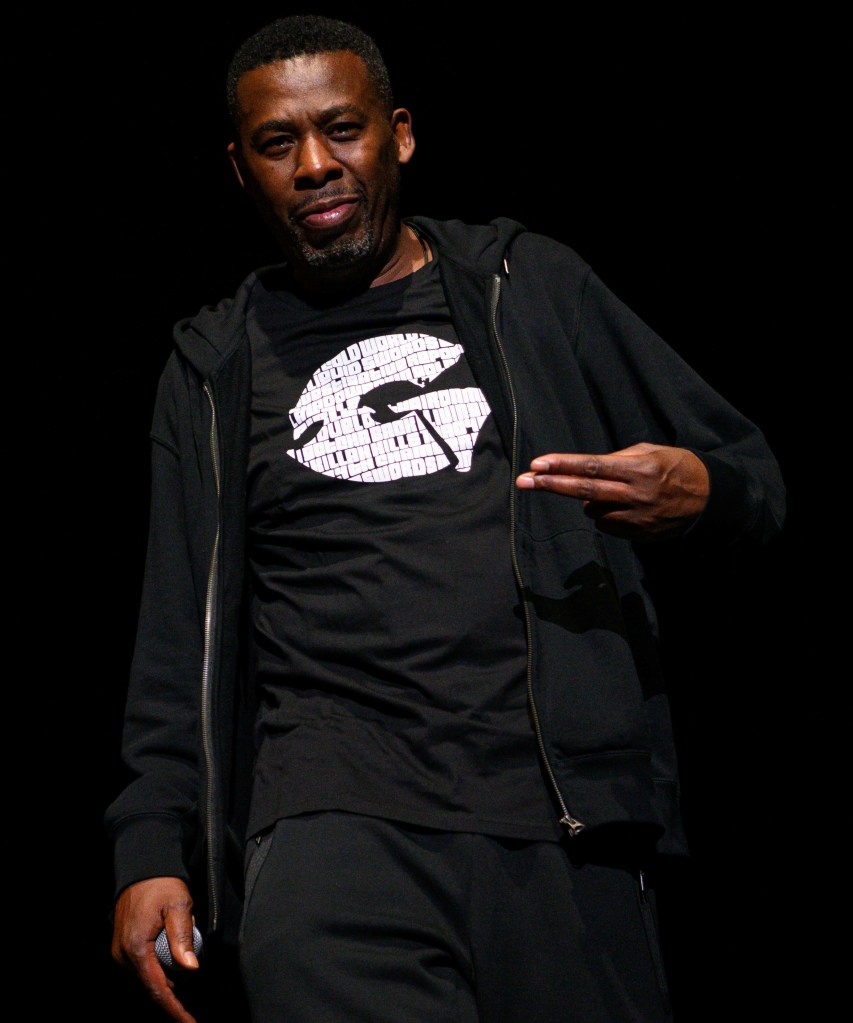
Photo by All-Pro Reels, CC BY-SA 2.0, via Wikimedia Commons
GZA is the archetype of the philosopher-emcee—his rhymes operate with the precision of chess moves and the depth of scientific inquiry. As the Wu-Tang Clan’s “spiritual head,” he is celebrated not just for Liquid Swords, a landmark in conceptual rap, but for how his verses intertwine cosmic imagery, street wisdom, and intellectual rigor. His ability to merge science, philosophy, and art has earned him invitations to lecture at Ivy League universities like Harvard and MIT, discussing hip-hop’s relationship with science and culture. GZA is considered one of rap’s most thoughtful lyricists, balancing poetic complexity with accessibility. His influence stretches beyond music—into education, philosophy, and even science outreach, where he advocates for STEM learning through hip-hop. All this further cements his status as hip-hop’s thinker-in-residence.
Aesop Rock
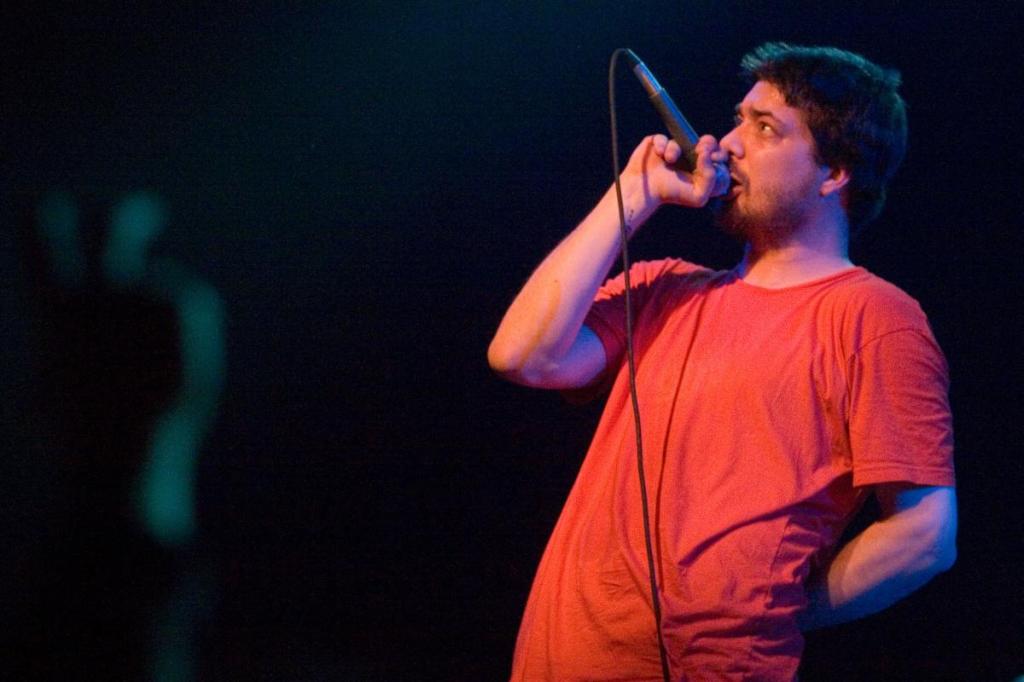
He stands as a master of the labyrinthine rhyme, with a vocabulary so vast it often surpasses that of entire literary canons. His verses—sophisticated, surreal, and coded with layers of metaphor—transform rap into a form of abstract literature, where philosophy and fragmented storytelling collide. To engage with Aesop is to enter a puzzle box of language, one that rewards the patient listener with insights into alienation, imagination, and the hidden mechanics of modern life.
Nas
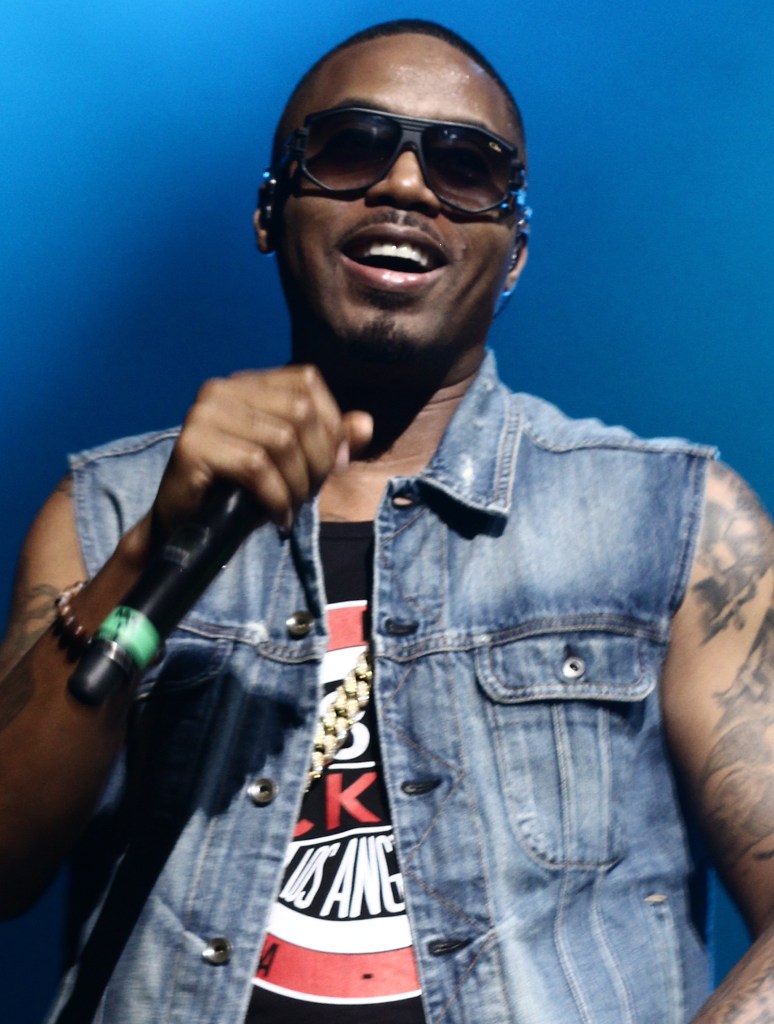
Nas embodies hip-hop sophistication through his mastery of narrative, his poetic sensibility, and his ability to turn the struggles and aspirations of Black America into timeless literature. His debut album, Illmatic (1994), is often hailed as one of the greatest rap albums of all time. From Illmatic’s raw depictions of Queensbridge life to the mature reflections of King’s Disease, he consistently bridges the streets with philosophy, mixing sharp social commentary with the cadence of a poet and the vision of a historian. Beyond music, Nas is known for business ventures and cultural impact. He’s invested in technology startups, co-owns Mass Appeal (a media and content company). In 2020, he won his first Grammy for King’s Disease, showing his longevity and ability to stay relevant across generations. Nas is often praised as an “MC’s MC”—he’s regularly mentioned alongside Rakim, Biggie, Jay-Z, and Tupac in discussions of the greatest rappers of all time.
Common
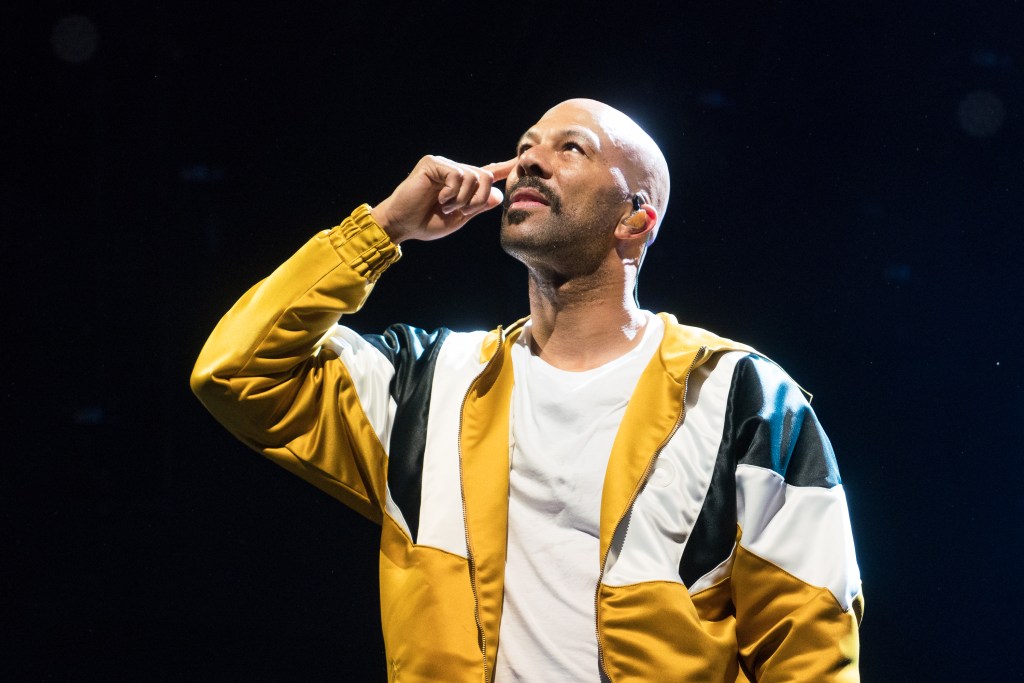
Lonnie Rashid Lynn Jr. is one of hip-hop’s most eloquent thinkers, merging poetry, spirituality, and activism into his artistry. His lyricism often draws on metaphor, history, and social critique, most famously in “I Used to Love H.E.R.” where he allegorized the evolution of hip-hop as a woman. Beyond music, he has authored books, acted in critically acclaimed films, and co-wrote the Oscar-winning song “Glory”. His speeches and community work reflect a philosopher’s voice, emphasizing empathy, justice, and the power of art to uplift. Common’s sophistication lies not just in his technical lyricism but in his ability to weave moral clarity and human warmth into culture-shaping narratives.
Immortal Technique – The Revolutionary Visionary
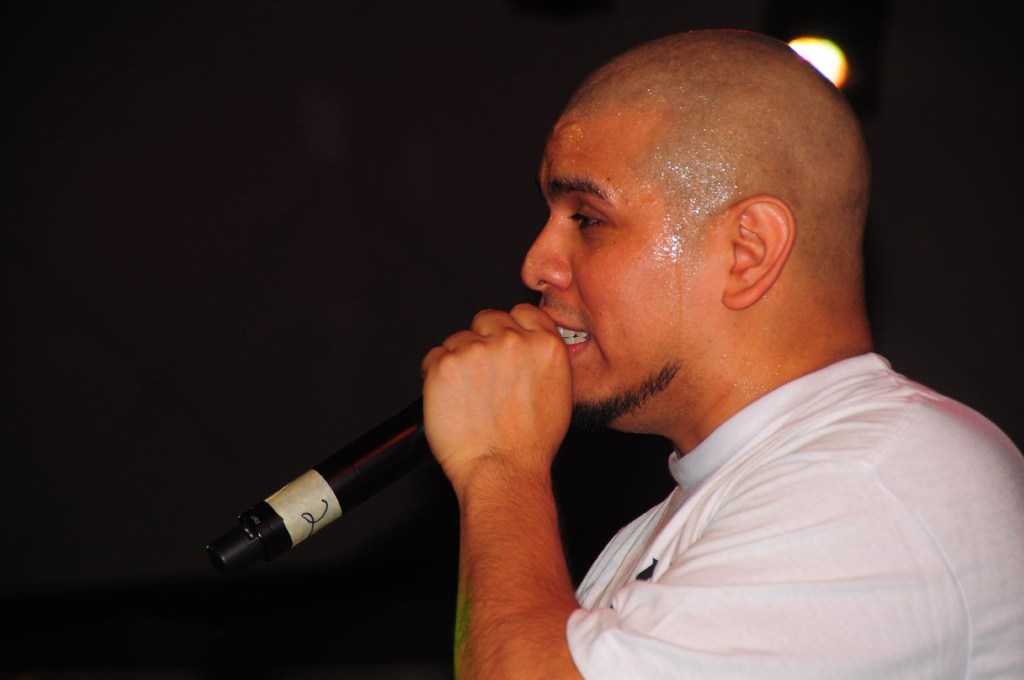
Photo by InkwellDesignGroup, CC BY 2.0, via Wikimedia Commons
Immortal Technique represents hip-hop at its most militant and uncompromising, fusing raw street narratives with sharp political theory. His rhymes confront empire, capitalism, and systemic injustice with a clarity that draws from revolutionary thinkers as much as from lived Harlem experience. Through albums like Revolutionary Vol. 2 and The 3rd World, he has become an underground icon who prioritizes truth over commercial success. His activism—funding an orphanage in Afghanistan, speaking at universities, and engaging grassroots causes—extends his art into real-world change, embodying a rapper who doesn’t just critique the system but actively seeks to dismantle it.
Rap in the Academy
Make no mistake, there are more MCs besides those already mentioned – rappers with ability to rattle your grip on reality with just a verse. Doubt me? Try ‘Nature of the Threat‘ by the erudite Ras Kass. There are super-human rappers like Pharoahe Monch, Holocaust/Warcloud, Billy Woods, Talib Kweli, Ka, and many more deserving entire articles dedicated to their craft.
Intellectual rap is philosophy lived and breathed, delivered over a beat instead of on a printed page. Where traditional philosophy often struggles to reach the masses, hip-hop democratizes it, ensuring that ideas of justice, liberation, and identity are accessible to millions.
Universities have not ignored this intellectual flowering. Harvard has an entire Hip-Hop Archive & Research Institute. Cornell University houses one of the largest hip-hop collections in the world, preserving the history and artistry of the culture. Stanford University has held courses dissecting the work of Kendrick Lamar. Berkeley has explored Tupac as a modern-day prophet of resistance. These aren’t indulgences or cultural tokenism; they are recognitions that rap is part of the broader canon of human thought and creativity.
When professors put Tupac alongside Baldwin, or Kendrick alongside Whitman, it isn’t a gimmick—it’s a recognition that hip-hop artists are speaking to the same eternal questions that literature and philosophy have always wrestled with: Who are we? What do we value? How do we survive and transcend struggle?
A Global movement
Artists like Brother Ali and Immortal Technique use their music to interrogate systems of oppression and propose frameworks for resistance, blending artistry with activism. However, the intellectual power of rap isn’t confined to America.
In France, MC Solaar has been hailed as a poet on par with the nation’s great literary figures, weaving history and philosophy into rhyme. In the UK, Akala has blended Shakespearean insight with hip-hop cadence, delivering lectures as comfortably as he delivers verses. In South Africa, artists like Prophets of Da City used rap as resistance literature against apartheid, echoing the tradition of protest poets as portrayed by Chuck D and Public Enemy. Across the globe, intellectual rap has become a lingua franca of the marginalized and the visionary, proof that philosophy can wear many accents and still speak to universal truths.
To the non-hip-hop fan, I offer this: rap at its best (intelligent rap) is oral literature, the same way Homer’s epics were oral before they were written. It asks you to lean in, to decode, to extract meaning. To dismiss it as a vain genre of music – is dismissing some of the most honest, sophisticated, and profound cultural commentary of the last fifty years.
You don’t have to like every song or artist. But if you care about art that reflects the human condition, then intellectual rap deserves a seat at the table. Perhaps even at the head.
 Intelligiate
.jpg)


.jpg)

.jpg)
.jpg)

Leave a comment