A Crisis of Confidence
Democracy, long regarded as the gold standard of governance, is facing an existential crisis. Once hailed as the ultimate expression of freedom, representation, and human rights, democratic systems across the globe are now under increasing strain. From established Western democracies to emerging ones in Africa and Asia, signs of democratic erosion are growing clearer.
But is democracy truly declining, or is it merely evolving under pressure?
Democratic Backsliding: A Rising Global Trend
Between 2024 and early 2025, four important reports were released – revealing democracy’s global decline. These reports were published by V-Dem Institute, International IDEA, The Economist Intelligence Unit, and Freedom House. Though the measured indicators and country classifications between the four reports were different, they were, however, united on one front – the global shift to authoritarianism is indisputable.
The term “democratic backsliding” has become a defining phrase of the 21st century. According to Freedom House’s 2024 report, global freedom has declined for the 18th consecutive year. More than 40 percent of the world’s population now live in countries where democratic norms are weakening.
According to the International IDEA report, voter turnout and participation fell by 10 percent globally in the past 15 years. It also showed 1 in 3 voters live in a country where the quality of elections has declined. In almost 1 in 5 elections, a losing candidate or party rejected the electoral result between 2020 and 2024. It also showed declines in quality of democracy continue to outnumber advances. 1 in 4 countries have progressed, while 4 in 9 countries are worse off in terms of quality of democracy.
The Economist Intelligence Unit report showed only 6.6 percent of the world’s population live in states classified as Full Democracies.
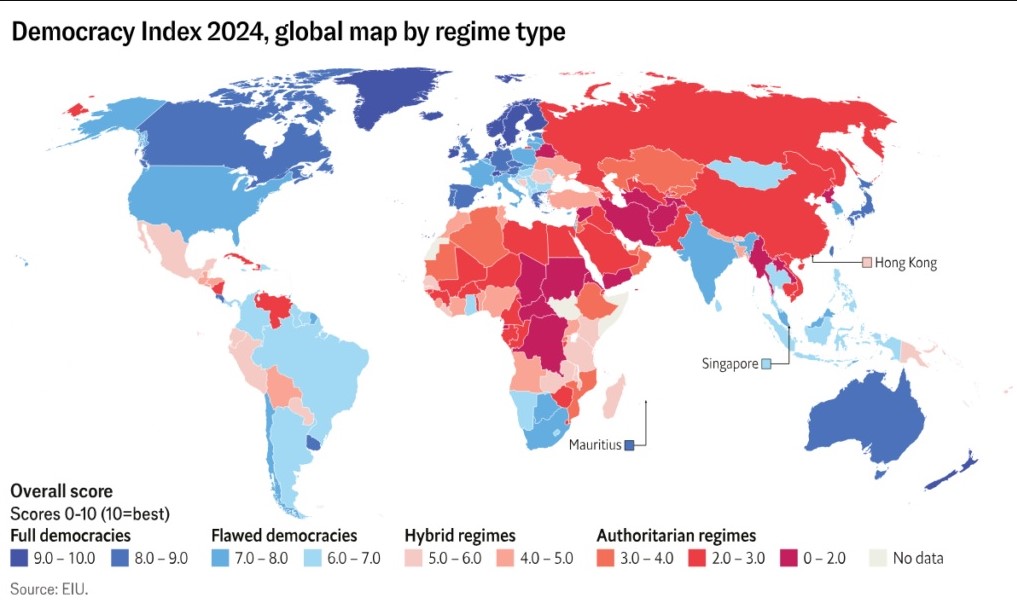
V-Dem’s 2025 democracy report showed stark realities like the number of autocratic states outnumbering democratic states for the first time in more than 20 years. It said about 40 percent of the world’s population live in authoritarian states like Cameroun, Myanmar, Syria and others. The report showed states like Niger, Belarus and Lebanon went from ‘electoral autocracies’ to closed autocracies. The report compared autocratizing vs democratizing states. It said only around 6 percent of the world’s population live in democratizing states like Poland, Brazil, Thailand and others.
But what are the features of an authoritarian state? From the World Population Review website, the following five traits are listed for classification as authoritarian government:
- Elections are not free and fair. In most cases, the electoral process in these countries has loopholes or raises questions.
- Is the government accountable for the use and allocation of finances? If there are no substantial records showing how the government spends tax money, the country could be authoritarian.
- Political participation: In non-authoritarian countries, citizens can express their political opinions without fear of getting in trouble with the leadership.
- Freedom of worship: In authoritarian countries, the government dictates the religion their people should follow
- Freedom of speech: Civilians in authoritarian countries can only express their support for the government. Should one talk against the authorities, they risk serious repercussions or even death.
How about democracy’s decline and the signs we should assess? Below is a concise list:
Key Symptoms of Decline:
- Erosion of civil liberties
- Manipulation of electoral processes
- Attacks on judicial independence
- Media censorship and disinformation
- Rise of authoritarian populism
- Systemic corruption
Case Studies: Democracy receding
1. United States: A Fractured Republic
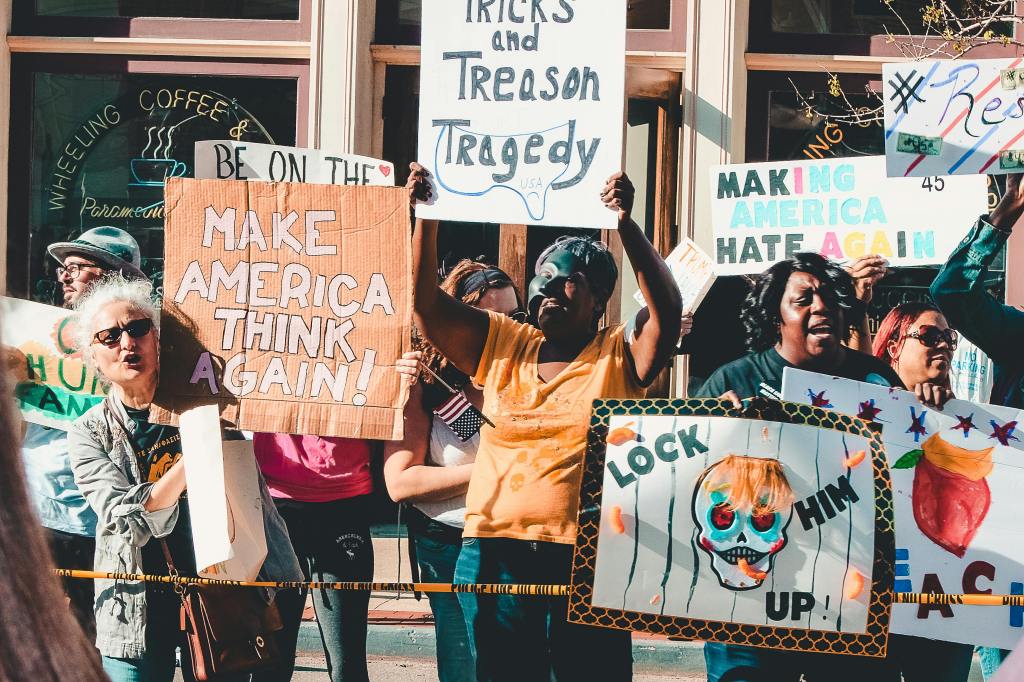
While still a beacon of democratic ideals, the U.S. faces deep polarization, misinformation, and weakened public trust in institutions. The events of January 6, 2021, highlighted how fragile even long-established democracies can be.
“Democracy is not a machine that runs by itself,” warned political theorist Robert A. Dahl. “It must be continually renewed by citizens and institutions.”
According to polls conducted in the U.S. between June 23-25, 2025 by NPR/PBS News/Marist poll, 76% of respondents said democracy is under serious threat. The specifics of the poll show 89% of Democrats, 80% of Independents, and 57% of Republicans say there is a serious threat to the future of democracy.
The opinions of the respondents in the polls can safely be said to stem from the unfolding developments in the U.S. since the re-election of Donald Trump.
2. India: The Largest Democracy Under Strain
India, often called the world’s largest democracy, has seen increased censorship, rising majoritarianism, and shrinking space for dissent, raising concerns about the health of its democratic fabric. According to International IDEA Global State of Democracy categorization, India has seen declines in Access to Justice, Civic Engagement, Credible Elections, Free Political Parties and Judicial Independence.
3. Hungary & Turkey: Competitive Authoritarianism
In countries like Hungary and Turkey, leaders have used democratic elections to gain power—only to hollow out checks and balances once in office, a trend political scientists call “illiberal democracy.”
Why Is Democracy Declining?
1. Economic Inequality
Growing inequality has fueled discontent, making citizens more vulnerable to populist rhetoric and less trusting of democratic institutions. In countries like Nigeria, poverty has been linked to instances of vote-buying.
2. Rise of Populism and Strongman Politics
Populist leaders often claim to represent “the people” while dismantling institutions that ensure accountability and minority rights.
As Fareed Zakaria put it: “Democracy without constitutional liberalism is not simply inadequate, but dangerous.”
3. Digital Disinformation
Social media has amplified polarization and undermined truth, enabling bad actors to manipulate elections and public opinion at scale.
4. Voter Apathy and Distrust
Declining voter turnout and political disengagement have become common across both developed and developing democracies.
Bright Spots: Resistance and Renewal
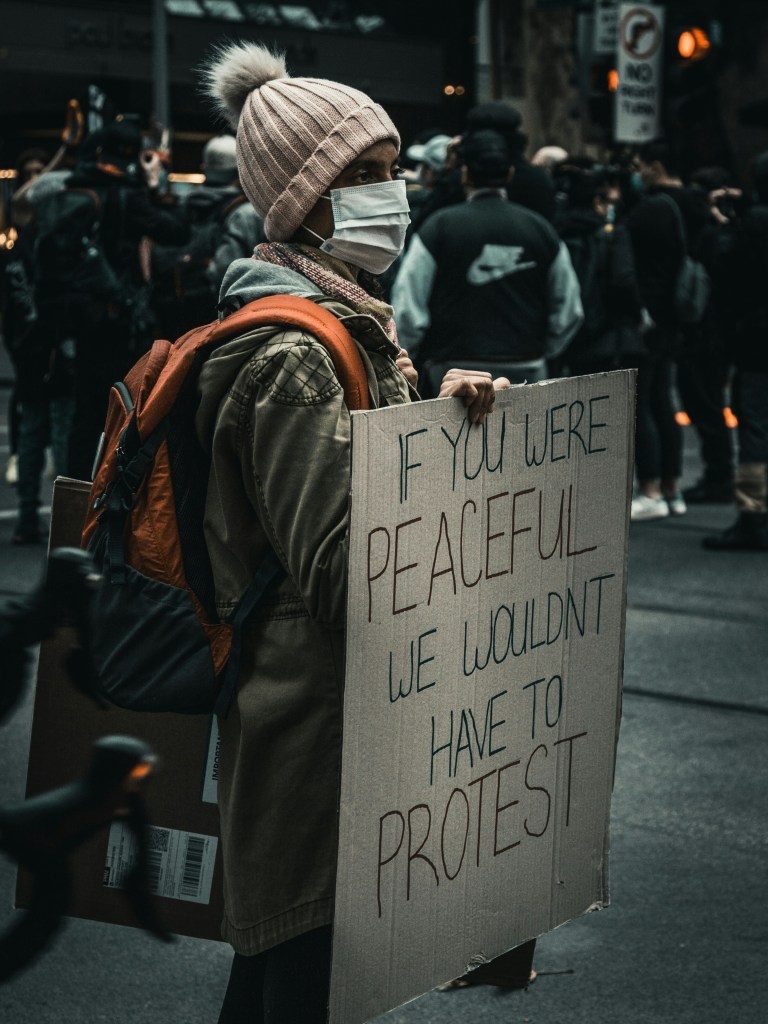
Photo courtesy: Arctic Qu on Unsplash
While many democracies are under pressure, some are fighting back:
- Taiwan and South Korea have strengthened civic participation and digital transparency.
- Chile and Zambia have seen peaceful transitions of power and renewed democratic mandates.
- Civil society movements from Hong Kong to Belarus continue to push for reform despite authoritarian resistance.
“The arc of the moral universe is long, but it bends toward justice.” – Martin Luther King Jr.
Is Democracy in Decline—Or Just Changing?
While it’s clear that democracy is facing serious challenges, some scholars argue we may be witnessing not death, but transformation. New forms of digital participation, localized governance, and citizen-led initiatives could redefine what democracy looks like in the 21st century.
Democracy at a Crossroad
So, is democracy declining? The short answer: yes—but not beyond repair. The longer answer involves recognizing the global patterns of backsliding, understanding the root causes, and supporting the mechanisms that can revitalize democratic institutions.
As Alexis de Tocqueville wrote, “The health of a democratic society may be measured by the quality of functions performed by private citizens.”
The survival of democracy depends not only on governments, but also on the active engagement of citizens, a free press, and the protection of minority rights.
 Intelligiate
Leave a comment